Tenafly Veterinary Center | December 29, 2025
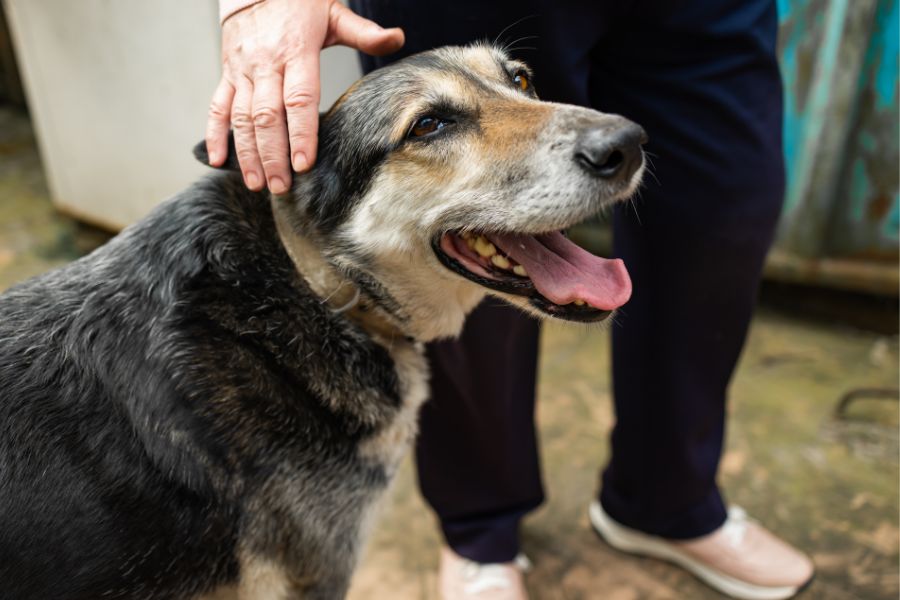
Watching your dog grow older is deeply meaningful. Gray muzzles and slower steps often bring a stronger bond and a desire to give back the same loyalty your dog has always shown. Aging does not mean declining joy. With thoughtful daily choices and steady attention, you can support comfort, confidence, and happiness well into the senior years. This guide offers clear, realistic ways to improve your older dog’s quality of life, based on trusted senior pet care principles that focus on comfort, dignity, and routine.
Understanding the Aging Process in Dogs
Dogs age at different rates depending on breed, size, and health history. Common changes include reduced energy, stiff joints, hearing or vision loss, and slower digestion. These shifts happen gradually and often go unnoticed. Paying attention to small changes helps you adjust care early and avoid discomfort later.
Create a Comfortable Living Space
Aging dogs spend more time resting, so comfort matters. Choose a supportive bed with good cushioning to protect joints. Place it in a quiet area, away from drafts and noise. Non-slip rugs help prevent falls on smooth floors. Raised food and water bowls reduce strain on the neck and spine. These simple changes help your dog move with ease and confidence.
Adjust Exercise Without Removing It
Movement keeps muscles strong and minds active. Senior dogs still need daily exercise, just in shorter and gentler sessions. Replace long runs with calm walks, light play, or swimming if available. Watch your dog’s pace and breathing. Stop before fatigue sets in. Consistent movement supports mobility and supports long-term senior pet care goals.
Support Joint and Muscle Health
Joint stiffness is common in older dogs. Maintaining a healthy weight reduces pressure on hips and knees. Gentle stretching, massage, and warm surfaces can ease soreness. Talk with your veterinarian about joint supplements if needed. Early support helps preserve independence and reduces daily discomfort.
Feed for Changing Nutritional Needs
Older dogs need balanced nutrition that supports digestion, weight control, and muscle strength. Senior formulas often include adjusted calories, fiber, and nutrients for aging bodies. Introduce new foods slowly to avoid stomach upset. Fresh water should always be easy to reach. Proper nutrition plays a direct role in energy, coat condition, and immune strength.
Keep the Mind Engaged
Mental stimulation keeps senior dogs alert and content. Simple puzzle toys, scent games, and short training sessions keep the brain active. Rotate toys to maintain interest. Speak clearly and use hand signals if hearing fades. Mental engagement reduces anxiety and supports emotional well-being at every age.
Maintain Regular Veterinary Visits
Routine checkups help catch age-related issues early. Blood work, dental exams, and mobility checks give a full picture of your dog’s health. Early detection allows easier management and better outcomes. In communities like Bergen County, consistent veterinary care helps owners plan realistic, supportive routines for aging dogs.
Looking for a reliable senior pet care service for your aged furry friend? Feel free to reach out to any of our two Tenafly or Bogota-based animal hospitals. You may either schedule an appointment with the Tenafly veterinarians or book an appointment with the Bogota veterinarians as per your convenience.
Watch for Pain and Behavior Changes
Dogs often hide pain. Subtle signs include reluctance to jump, changes in appetite, irritability, or withdrawal. Take these signs seriously. Keeping notes helps you spot patterns. Honest communication with your veterinarian ensures comfort stays a priority.
Support Emotional Security
Older dogs thrive on routine. Keep feeding times, walks, and rest periods predictable. Offer reassurance during storms or busy moments. Stay patient if accidents happen. Emotional comfort matters as much as physical care, especially during later life stages.
Plan for Accessibility
As mobility decreases, adjust your home. Use ramps for stairs or cars. Keep essential areas on one level when possible. Easy access to favorite spaces helps maintain independence and reduces stress.
Quality Time Matters Most
Your presence remains the greatest comfort. Gentle grooming, quiet companionship, and calm praise strengthen trust. Senior years often deepen the human animal bond. Thoughtful senior pet care choices turn ordinary moments into meaningful ones.
Improving your senior dog’s quality of life does not require drastic changes. It requires attention, patience, and informed decisions made with care. By focusing on comfort, nutrition, movement, and emotional support, you help your dog age with grace. For families in Bergen County, these small daily choices build a life filled with ease, dignity, and continued companionship.
Frequently Asked Questions
1. How do I know when my dog is considered a senior?
A: Most dogs are considered seniors between seven and ten years old, depending on size and breed. Larger dogs often age faster, while smaller breeds usually reach senior status later.
2. What are the early signs of pain in older dogs?
Ans: Early signs include stiffness after rest, slower movement, reduced interest in play, appetite changes, or mood shifts. Subtle changes often appear before clear limping or vocal pain signs.
3. How often should senior dogs see a veterinarian?
Ans: Senior dogs benefit from veterinary visits every six months. Regular exams help detect issues early, adjust diets, and manage chronic conditions before discomfort becomes severe.
4. Can mental games really help aging dogs?
Ans: Yes. Mental games support brain health, reduce boredom, and slow cognitive decline. Simple scent work and puzzle toys keep older dogs engaged and emotionally balanced.
5. How can I support my senior dog’s comfort at home in Bergen County?
Ans: Simple home adjustments like orthopedic bedding, non-slip flooring, and short daily walks help senior dogs stay comfortable and active in Bergen County’s changing seasonal weather.
6. Should I change my senior dog’s diet immediately?
Ans: Diet changes should be gradual and guided by your veterinarian. Senior dogs need balanced nutrition, not fewer nutrients. Slow transitions help prevent digestive upset and maintain stable energy levels.
7. Is it normal for senior dogs to sleep more?
Ans: Yes. Increased sleep is common as dogs age. As long as your dog remains responsive, eats well, and enjoys gentle activity, longer rest periods usually reflect normal aging changes.
Ready to Book an Appointment?
Our veterinary team is here for your pet — from routine care to urgent needs.