Fleas are small, but the problems they cause can grow fast. One day, your dog is scratching more than usual, and the next day, you are dealing with an infestation in your home. Acting quickly makes all the difference.
This guide gives you a clear and practical plan to remove fleas from your dog and your home. It also explains what to do if your dog has fleas, so you can stop the cycle before it spreads.
Understanding the Flea Problem
Fleas do not just live on your dog. They lay eggs that fall into carpets, bedding, and furniture. That means treating only your dog is not enough.
A flea’s life cycle has four stages:
- Eggs
- Larvae
- Pupae
- Adult fleas
Most fleas in your home are not on your dog. They are hiding in your environment. That is why a complete approach is necessary.
Signs Your Dog Has Fleas
Before jumping into treatment, confirm the issue. Common signs include:
- Constant scratching or biting of the skin
- Red or irritated skin
- Hair loss in patches
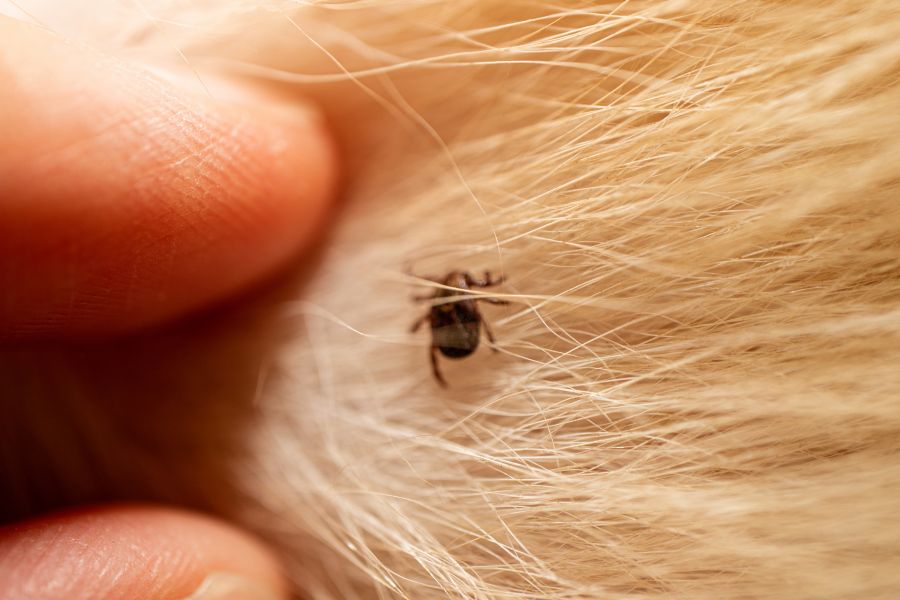
- Small black specks (flea dirt) on the coat
- Restlessness or discomfort
If you notice these signs, start acting right away.
What to Do If Your Dog Has Fleas
When dealing with fleas, timing matters. Here is exactly what to do if your dog has fleas:
Step 1: Isolate Your Dog
Keep your dog in one area of the house to limit the spread of fleas.
Step 2: Start Immediate Treatment
Use a vet-approved flea treatment such as:
- Flea shampoo
- Oral medication
- Spot-on treatments
These products kill adult fleas quickly.
Step 3: Check Other Pets
Fleas spread easily. Treat all pets in the household, even if they are not showing symptoms.
Step 4: Begin Home Cleaning
Start cleaning the same day. Waiting allows fleas to multiply.
How to Remove Fleas from Your Dog
1. Use a Flea Comb
A fine-toothed flea comb helps remove fleas and eggs from your dog’s coat. Focus on:
- Neck
- Tail base
- Belly
Dip the comb in soapy water to kill fleas instantly.
2. Bathe Your Dog Properly
Use a flea shampoo designed for dogs. Follow these steps:
- Wet your dog thoroughly
- Apply shampoo and lather well
- Let it sit for 5–10 minutes
- Rinse completely
This helps kill live fleas on contact.
3. Apply Flea Treatments
After bathing, apply a long-term solution:
- Monthly topical treatments
- Oral flea medications
- Flea collars (as recommended)
These prevent reinfestation.
4. Monitor and Repeat
Flea control is not a one-time fix. Check your dog regularly and repeat treatments as advised.
How to Remove Fleas from Your Home
Treating your dog alone will not solve the problem. Your home needs equal attention.
1. Vacuum Daily
Vacuuming removes flea eggs and larvae from:
- Carpets
- Rugs
- Upholstery
- Cracks in floors
Dispose of the vacuum bag immediately after use.
2. Wash All Fabrics
Wash everything your dog touches:
- Bedding
- Blankets
- Cushion covers
Use hot water and dry on high heat to kill fleas at all stages.
3. Use Home Flea Treatments
Consider using:
- Flea sprays
- Foggers
- Powders
Choose pet-safe options and follow instructions carefully.
4. Treat Outdoor Areas
Fleas can live outside in shaded areas. Focus on:
- Dog houses
- Yards
- Under decks
Keeping outdoor areas clean reduces reinfestation.
Breaking the Flea Life Cycle
To fully eliminate fleas, you must interrupt their life cycle.
- Adult fleas live on pets
- Eggs fall into your home
- Larvae grow in hidden spaces
Consistent cleaning and treatment for at least 2–3 weeks ensures all stages are eliminated.
Preventing Future Flea Infestations
Prevention is easier than treatment.
1. Use Monthly Preventatives
Regular flea prevention products keep your dog protected year-round.
2. Maintain Clean Living Spaces
- Vacuum regularly
- Wash pet bedding weekly
- Keep your home clutter-free
3. Regular Grooming
Frequent brushing helps detect fleas early before they spread.
4. Routine Vet Visits
Your vet can recommend the best flea prevention plan based on your dog’s lifestyle.
If you need guidance on parasite prevention, visit our website to learn more about keeping your pet protected year-round.
Common Mistakes to Avoid
Avoid these errors to make your flea control efforts effective:
- Treating only your dog and ignoring the home
- Skipping follow-up treatments
- Using products not meant for dogs
- Waiting too long to act
Quick and consistent action is key.
When to Seek Professional Help
Sometimes, home treatments are not enough. Consider professional help if:
- The infestation is severe
- Fleas keep returning
- Your dog has skin infections
A veterinarian can provide stronger treatments and guidance.
Final Thoughts
Fleas can feel overwhelming, but they are manageable with the right steps. Acting quickly, treating both your dog and your home, and staying consistent will solve the problem.
Remember, knowing what to do if your dog has fleas helps you respond with confidence instead of stress. Stay proactive, maintain a clean environment, and use preventive care to keep your dog comfortable and healthy.
If your dog is scratching more than usual today, start taking action now.
FAQs About Fleas on Dogs and in Homes
1. Should I treat my home if my dog has fleas?
A: Yes. Fleas lay eggs that spread throughout your home. Treating your home is necessary to stop the infestation completely.
2. What kills fleas on dogs right away?
A: Flea shampoos and fast-acting oral medications kill adult fleas quickly. These are often the first step in treatment.
3. What should I do immediately if my dog has fleas?
A: Start by isolating your dog, using a flea treatment, and cleaning your home. Acting the same day prevents the problem from spreading.
4. Do I need to wash my bedding if my dog has fleas?
A: Yes. Wash all bedding, including your own, in hot water. Flea eggs can easily transfer to fabrics.
5. What removes all fleas from the house completely?
A: A combination of vacuuming, washing fabrics, and using flea control products over several weeks works best to eliminate fleas.
Can I still cuddle my dog if he has fleas?
A: You can, but be cautious. Fleas may transfer to you or your environment. It is best to treat your dog first and maintain cleanliness.