
Tenafly Veterinary Center | April 30, 2026
Living with cat allergies does not always mean giving up the idea of having a feline companion. Some cats produce fewer allergens or shed less, making them easier to live with for sensitive individuals. This guide explores practical options, daily care tips, and what to expect when choosing a suitable breed.
You will also learn how home habits affect allergen levels and how to create a comfortable environment. If you are considering adoption in Bogota, understanding your options can make the experience smoother and more enjoyable.
What Makes a Cat “Low-Allergen”?
Many people assume fur causes allergies. The real trigger is a protein called Fel d 1, found in saliva, skin, and dander. Cats spread this protein when they groom themselves. Some breeds naturally produce less of it, while others shed less, reducing its spread around your home.
Low-allergen cat breeds are not completely allergy-free. They are often better tolerated by people with mild sensitivities. Individual reactions still vary, so spending time with a cat before bringing it home can help you make a confident choice.
Popular Cat Breeds That May Suit Sensitive Owners
1. Siberian cat
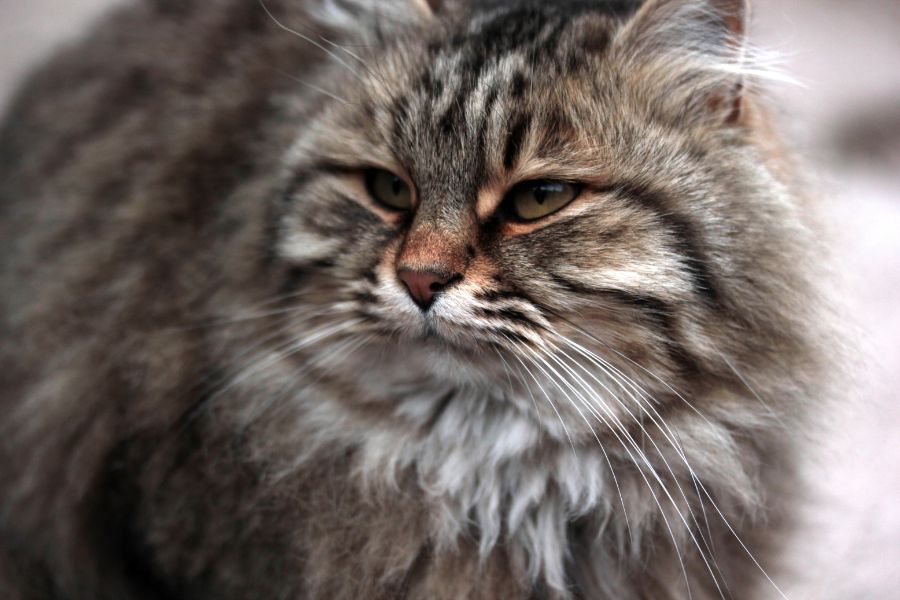
The Siberian surprises many allergy sufferers. Despite its thick coat, it tends to produce lower levels of Fel d 1. Many owners report fewer allergic reactions. Regular grooming helps manage shedding and keeps the coat healthy.
2. Balinese cat
Often called the “long-haired Siamese,” the Balinese has a silky coat that sheds less than expected. It produces lower allergen levels compared to many other breeds. Its social nature makes it a good fit for families.
3. Bengal cat
The Bengal has a short, dense coat that requires less grooming. It sheds minimally, which helps reduce allergen spread. Its energetic personality suits active households that enjoy interactive pets.
4. Russian Blue cat
This breed is known for its plush coat and calm temperament. The Russian Blue produces fewer allergens and tends to shed less. It adapts well to quiet homes and consistent routines.
5. Devon Rex
With its curly coat and minimal shedding, the Devon Rex is often recommended for allergy-prone owners. It requires occasional bathing to remove oils that may carry allergens.
6. Sphynx cat
The Sphynx lacks a traditional coat, which reduces shedding. It still produces allergens, though regular skin cleaning helps control buildup. This breed thrives on attention and indoor living.
Choosing the Right Cat for Your Lifestyle
Selecting a cat goes beyond allergen levels. Consider your daily routine, living space, and tolerance level. A high-energy breed may not suit a quiet apartment. A low-maintenance cat may be better for busy schedules.
Spend time interacting with different breeds before adoption. Local shelters and breeders often allow visits. This step helps you observe your body’s response and understand each cat’s personality.
Creating a Low-Allergen Home Environment
Managing your home plays a major role in reducing allergic reactions. Even the most suitable cat can trigger symptoms if the environment is not well-maintained.
Keep surfaces clean with regular vacuuming. Use air purifiers with HEPA filters. Wash bedding and soft furnishings often. Groom your cat consistently to remove loose hair and dander.
Designating pet-free zones, especially bedrooms, can improve comfort. Small changes in routine can make a noticeable difference in daily life.
Daily Care Tips for Allergy Management
Routine care helps control allergen levels. Brush your cat gently to reduce shedding. Wash your hands after handling your pet. Avoid touching your face immediately after interaction.
Bathing some breeds, such as the Sphynx or Devon Rex, can help remove allergens from the skin. Use mild, pet-safe products and follow a schedule that suits your cat’s needs.
Feeding a balanced diet also supports skin health, which can influence allergen production. Clean litter boxes regularly and maintain proper ventilation in your home.
Local Support and Veterinary Guidance
Living in Bogota offers access to reliable pet care resources. Local veterinary clinics can guide you in selecting a suitable breed and managing allergies effectively. Regular checkups ensure your cat stays healthy while helping you address any concerns early.
If you’re located in Bogota and looking for trusted veterinary care near you, then schedule an appointment with Overpeck Creek Animal Hospital to learn more about pet wellness, grooming advice, and allergy management support.
Common Myths About Hypoallergenic Cats
Many believe certain cats are completely allergy-free. This is not accurate. All cats produce allergens, though levels vary. Another misconception is that short-haired cats are always better. Shedding and protein production both matter.
Understanding these facts helps set realistic expectations. It also allows you to focus on practical solutions rather than assumptions.
Conclusion
Finding the right feline companion requires thoughtful planning and realistic expectations. Low-allergen cat breeds can make a meaningful difference for sensitive individuals, especially when combined with consistent home care and grooming routines. Building a comfortable environment allows both you and your pet to thrive together. We are conveniently located in Bogota, NJ. Reach out to our facility at 101 E Main St, Bogota, NJ 07603—where compassionate care and community come together for your pet’s well-being.
Frequently Asked Questions(FAQs):
1. What does “low-allergen” really mean?
A: It refers to cats that produce fewer allergens or shed less dander. These cats may be easier for sensitive individuals to tolerate, though they are not completely allergy-free, and reactions still vary.
2. Are hairless cats completely safe for allergies?
A: Hairless breeds like the Sphynx still produce allergenic proteins. Regular cleaning reduces buildup, but sensitive individuals may still experience mild symptoms depending on their tolerance levels.
3. How can I test my allergy before adopting a cat?
A: Spend time with the specific breed or individual cat. Visit shelters or breeders and observe your reaction over several hours. This approach provides a clearer understanding than relying on breed descriptions alone.
4. Does grooming really help reduce allergens?
A: Consistent grooming removes loose hair and dander. It helps control allergen spread in your home. Bathing certain breeds can further reduce buildup when done safely and at appropriate intervals.
5. Can air purifiers improve allergy symptoms?
A: Air purifiers with HEPA filters capture airborne allergens such as dander. They support a cleaner indoor environment and may reduce symptoms when used alongside regular cleaning and grooming routines.
6. Is it possible to live comfortably with a cat despite allergies?
A: Many people manage mild allergies successfully. Choosing the right breed, maintaining a clean home, and following proper care routines can make living with a cat more comfortable and enjoyable.
Ready to Book an Appointment?
Our veterinary team is here for your pet — from routine care to urgent needs.