
Tenafly Veterinary Center | November 14, 2025
Living with more than one pet can be a rewarding experience, filled with companionship, joy, and heartwarming interactions. However, blending different personalities, species, and energy levels under one roof requires thoughtful planning and continuous care. A peaceful multi-pet household doesn’t happen by accident—it develops through intentional guidance, structured routines, and a pet lifestyle built around respect, enrichment, and emotional support.
In this blog, we explore how to build harmony among your furry companions. Whether you’re introducing a new pet or working to strengthen an existing bond, these strategies will help your pets thrive together.
Spot the Difference: What Sets Multi-Pet Homes Apart?
A single-pet home focuses primarily on the needs, emotions, and routine of one animal. Meanwhile, a multi-pet home introduces complex layers—interactions, hierarchies, resource sharing, and species differences. This dynamic environment can quickly shift, making it essential to recognize that each pet:
-
Has unique emotional thresholds
-
Communicates differently
-
Requires its own territory
-
Bonds at its own pace
Recognizing these differences helps you tailor the pet lifestyle in your home to support balance, reduce stress, and prevent conflict.
The Art of the Introduction: Start with Slow and Steady
Introducing pets too quickly is one of the most common mistakes pet owners make. Whether you’re adding another dog, bringing home a new cat, or mixing species, gradual introductions pave the way for future harmony.
Start with scent. Let each pet sniff blankets or bedding before meeting. Next, move to controlled visual introductions through baby gates or crates. When they’re ready, allow short, supervised interactions. As time progresses, increase their exposure and comfort.
Transitioning slowly not only builds trust but also prevents fear-based reactions. A calm beginning sets the foundation for a positive long-term relationship.
Balanced Territory: Creating Spaces They Can Call Their Own
Even the most social animals need solitude. In a multi-pet household, designated personal spaces reduce anxiety and promote emotional well-being.
Consider offering:
-
Separate feeding areas
-
Multiple litter boxes are placed in quiet corners
-
Elevated perches for cats
-
Private sleeping zones
-
Individual crates or kennels
By providing distinct spaces, you minimize territorial disputes and allow each pet to decompress when needed. Additionally, this organization supports smoother introductions and daily routines.
Routine, Rhythm, and Respect: Establishing Daily Structure
A structured routine promotes stability. Pets feel more secure when they know what to expect. Feeding times, walks, play sessions, and rest periods should follow a predictable pattern.
Consistency benefits multi-pet homes in several ways:
-
Reduces competition for attention
-
Minimizes stress
-
Supports gentle hierarchy formation
-
Encourages harmony between pets
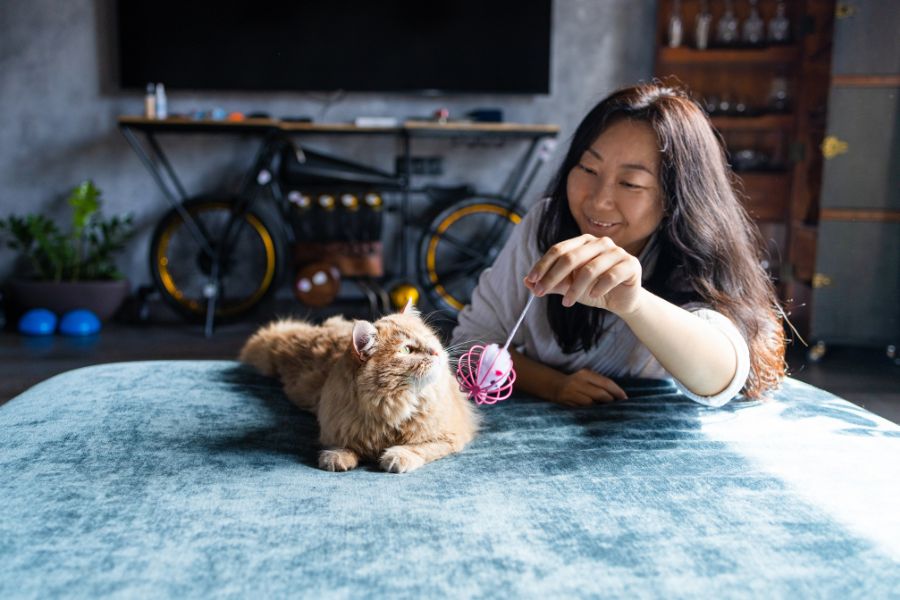
For example, walking dogs together at the same time daily helps them bond. Similarly, playing with cats using interactive toys at scheduled intervals encourages positive stimulation rather than rivalry.
By respecting each pet’s individual routine, you create a cooperative household rhythm.
The Emotional Equation: Understanding Body Language and Boundaries
Pets communicate constantly—through their ears, tails, posture, and vocalizations. Understanding these signals is crucial in preventing conflicts and building peaceful relationships.
Watch for early signs of tension, such as:
-
Lip licking
-
Ears pinned back
-
Tail held low or flicking
-
Stiff body posture
-
Growling or hissing
When you notice these signals, intervene before the situation escalates. Redirect their attention with toys, treats, or separation. Over time, you’ll recognize patterns and respond proactively.
Respecting boundaries is equally important. Allow pets to walk away from interactions if they feel uncomfortable. Forcing closeness rarely works in multi-pet homes.
Shared Playtime: Encouraging Positive Interactions
Although individual playtime matters, shared activities help pets bond and coexist peacefully. Choose activities based on their species, age, and temperament.
Great options include:
-
Group walks
-
Parallel play sessions
-
Interactive toys
-
Chase-and-pounce games for cats
-
Brain-stimulating puzzles
Remember to supervise shared play, especially in the early stages. Celebrate positive behavior with praise or treats to reinforce good social interactions.
Feeding Dynamics: Reducing Competition and Stress at Mealtimes
Food can be a major trigger for conflict. Therefore, creating a calm feeding environment is essential.
Use these strategies:
-
Feed pets in separate zones
-
Keep bowls spaced far apart
-
Introduce slow-feeders to prevent gulping
-
Create elevated feeding stations for cats
-
Remove bowls after meals
These small adjustments prevent food guarding while promoting a peaceful meal routine.
Mind and Body Enrichment: Keeping All Pets Stimulated
Pets thrive in mentally and physically stimulating environments. Boredom often leads to conflict, destructive behavior, and stress.
To promote enrichment:
-
Rotate toys weekly
-
Offer scratching posts, tunnels, and climbing trees
-
Provide chew toys and puzzle feeders
-
Set up birdwatching stations near windows
-
Incorporate training exercises
Engaging their minds strengthens bonds and supports a harmonious pet lifestyle. Additionally, training sessions create positive shared experiences and reduce tension.
Health Matters: Keeping Everyone Thriving
Regular health checkups ensure each pet’s physical and emotional balance. Maintaining up-to-date vaccinations, parasite control, and wellness exams prevents illness from spreading in multi-pet homes. If you’re seeking guidance tailored to your pet household, your trusted Bogota veterinarian can offer personalized insight.
Healthy pets are more relaxed, responsive, and adaptable—key ingredients for harmonious coexistence.
When Conflicts Arise: Practical Solutions That Work
Even in well-managed homes, occasional disagreements happen. Instead of punishing pets, address the root cause.
Possible triggers include:
-
Resource guarding
-
Overstimulation
-
Fear
-
Lack of personal space
-
Unclear routines
Solutions may involve:
-
Increasing enrichment
-
Enhancing structure
-
Separating pets temporarily
-
Using positive reinforcement training
-
Consulting a behavior specialist
Patience plays a vital role. With consistent effort, most pets adjust and learn to coexist peacefully.
Fostering Understanding, Trust, and Long-Term Harmony
A multi-pet home is like a living ecosystem. Every pet contributes to the balance, energy, and emotional environment. By recognizing each animal’s individuality while fostering shared experiences, you cultivate a lifestyle rich in companionship and joy.
Through slow introductions, structured routines, respectful boundaries, and thoughtful enrichment, your pets can truly become a harmonious family. As their bond strengthens, you’ll witness moments of connection—shared naps, synchronized play, gentle grooming—that remind you why you chose to bring them together.
A harmonious multi-pet home isn’t just possible; it’s a deeply rewarding achievement.
Ready to Book an Appointment?
Our veterinary team is here for your pet — from routine care to urgent needs.