Tenafly Veterinary Center | November 27, 2025
Choosing a dog daycare is often a significant decision for pet parents, as their furry companions must be placed in a secure and well-managed environment. While many facilities claim to provide high-quality care, specific safety standards need to be consistently followed.
When these standards are maintained, a daycare becomes a reliable space where pets are protected, engaged, and supported throughout the day. The following guidelines outline the most important safety measures that should be put into practice in every professional daycare setting.
Comprehensive Health Screening Should Be Implemented
To begin with, every dog daycare should ensure that health screening procedures are in place for all pets entering the facility. Updated vaccinations, parasite prevention, and regular wellness checks should be verified. Furthermore, a clear admission policy should be established so that only healthy dogs are accepted. This minimizes the risk of transmissible diseases and helps maintain a clean and safe environment.
Additionally, temperament evaluations should be performed before a dog is introduced to group play. These assessments allow staff members to understand a dog’s behavior, comfort level, and social tendencies. As a result, group interactions can be kept safe and stress-free for all pets.
Safe Facility Design and Dog-Proofing Should Be Prioritized
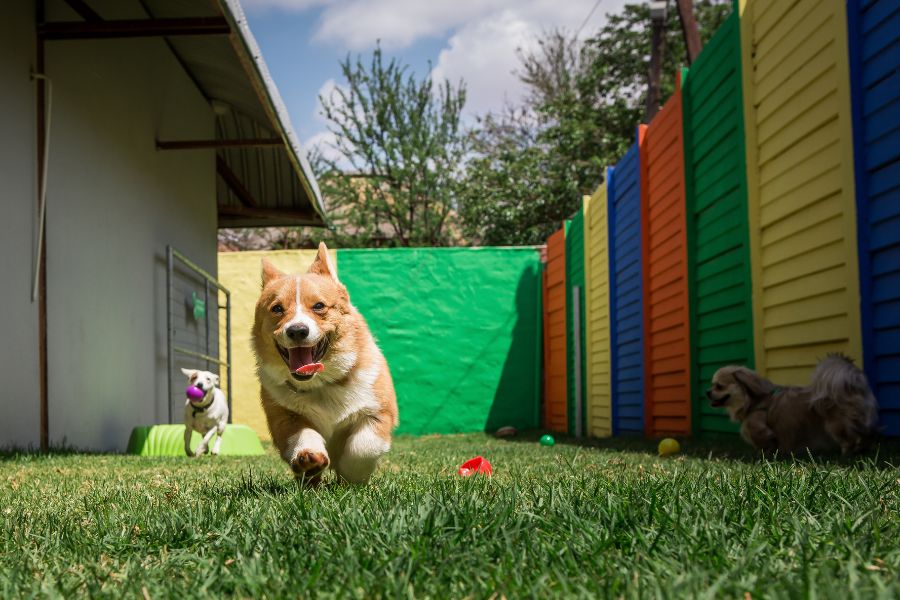
A properly designed facility contributes greatly to the overall safety of a dog daycare. To prevent injuries, non-slip floors, sturdy fencing, and secure gates must be used. Moreover, play areas should be separated based on size, age, or temperament. When dogs are placed in suitable groups, accidents can be significantly reduced.
Additionally, the environment should be completely dog-proofed. Hazardous cleaning supplies, electrical wires, sharp objects, or small chewable items must be kept out of reach. Even the placement of toys should be carefully considered, as worn-out or broken toys may pose choking risks. Through thoughtful facility design, pets can enjoy a safe and enriching experience throughout the day.
Constant Supervision Should Be Maintained at All Times
Since group play can be unpredictable, constant supervision is one of the most critical safety standards. Dogs should never be left unsupervised, even for short periods. Trained staff should monitor body language, energy levels, and interactions among playgroups. When supervision is maintained consistently, minor conflicts can be de-escalated before they escalate into unsafe situations.
In addition, appropriate staff-to-dog ratios should be followed. Smaller group sizes allow caregivers to respond quickly and give each dog the attention they deserve. Although these ratios may vary by state or facility, lower numbers typically contribute to a safer experience for all pets.
Sanitation and Cleanliness Protocols Should Be Followed Daily
To prevent illnesses and maintain hygiene, strong cleaning and sanitation procedures must be followed in every dog daycare. All playrooms, kennels, and common areas should be cleaned regularly with pet-safe disinfectants. Water bowls, bedding, and toys should be sanitized daily to prevent bacterial buildup.
Moreover, accidents should be cleaned immediately to avoid contamination. When cleanliness is prioritized, the spread of infections such as kennel cough, parasites, and skin conditions can be greatly reduced. A clean environment not only supports the health of pets but also reassures pet owners that safety is being handled responsibly.
Emergency Preparedness Plans Should Be Established
Emergencies can occur at any time, which is why preparedness is essential. Every dog daycare should have a clearly outlined emergency response plan. Evacuation routes, medical supplies, and emergency contacts should be readily available. Staff should be trained in first aid and CPR for dogs so that assistance can be provided quickly if required.
In addition, partnerships with local veterinary professionals should be maintained. For instance, a collaboration with a veterinarian in Tenafly can ensure that expert support is accessible in case of urgent medical concerns. Through proper planning, emergencies can be handled calmly and efficiently.
Proper Enrichment and Structured Play Should Be Ensured
A high-quality day is not solely defined by safety but also by enrichment. Structured activities should be provided to keep dogs stimulated, both mentally and physically. Rotating toys, supervised group play, and scheduled rest periods should be part of the routine. When enrichment is thoughtfully implemented, stress levels are minimized and dogs remain engaged in healthy ways.
Furthermore, overexertion should be avoided. Dogs should be given adequate breaks throughout the day, especially those with specific health concerns or limited stamina. By maintaining a balanced schedule, each pet’s well-being can be supported effectively.
Staff Training and Certification Should Be Required
Although a passion for animals is valuable, professional training is what truly enhances safety. Staff working in a dog daycare should receive proper education in canine behavior, conflict prevention, first aid, and handling techniques. When team members are well-trained, the likelihood of accidents is significantly lowered.
Ongoing education should also be encouraged. As new safety guidelines, behavior research, and pet-care innovations emerge, staff development ensures that the facility continues to operate under the best practices available.
Transparent Communication With Pet Owners Should Be Encouraged
A trustworthy dog daycare maintains open communication with pet owners. Daily updates, behavior reports, and incident notifications should be shared promptly. When transparency is upheld, pet parents feel confident and well-informed about their dog’s experience.
Additionally, clear daycare policies should be made accessible. Drop-off procedures, feeding schedules, medication protocols, and behavioral guidelines should all be communicated in detail. This clarity helps create a consistent and safe environment for every pet.
In conclusion, the standards followed by a dog daycare play a major role in the comfort, safety, and well-being of every dog. When a facility prioritizes health screenings, supervision, facility safety, sanitation, emergency preparedness, enrichment, and staff training, a secure space is created for pets to thrive. By understanding these essential safety guidelines, pet owners can make informed decisions and ensure that their dogs are looked after with care and responsibility.
Ready to Book an Appointment?
Our veterinary team is here for your pet — from routine care to urgent needs.