
Tenafly Veterinary Center | December 10, 2025
Caring for a senior pet involves thoughtful adjustments that help them enjoy comfort, wellness, and emotional security. As pets grow older, their bodies change, and their daily needs evolve. Therefore, a proactive approach is required so that age-related challenges can be minimized and their quality of life can be enhanced.
The following guide explores 10 essential tips that will help maintain your pet’s long-term health and happiness.
1. Schedule More Frequent Veterinary Checkups
As pets age, early detection becomes extremely important. Because age-related diseases can appear gradually, regular veterinary visits should be scheduled more frequently than during their younger years. During these exams, overall health can be evaluated, and conditions such as arthritis, diabetes, dental disease, and kidney concerns can be identified before they become more severe. By increasing checkups, better preventive care can be provided.
2. Provide a Balanced Senior-Friendly Diet
Nutritional needs change over time, and senior pets benefit greatly from diets that support joint health, digestion, and weight control. Since older pets may burn fewer calories, food that supports a healthy weight should be chosen.
Additionally, diets enriched with omega-3 fatty acids, antioxidants, and high-quality protein can promote mobility and overall wellness. Consulting with a veterinarian ensures the right food is selected based on age, breed, and existing health conditions.
3. Maintain a Healthy Weight
Pet obesity is linked to joint strain, heart issues, and decreased mobility. Because senior pets are more vulnerable to these complications, their weight should be monitored carefully. Healthy weight management can be supported by portion control, reduced-calorie diets, and gentle daily exercise.
When weight is maintained within an ideal range, joints can function more comfortably, and energy levels may improve.
4. Encourage Gentle, Low-Impact Exercise
Although senior pets may slow down, physical activity should not be stopped. Instead, low-impact exercises such as short walks, swimming, and light play should be encouraged. Regular movement supports muscle tone, improves circulation, and helps manage weight.
However, activities should be adjusted based on endurance and mobility so that unnecessary strain is avoided. Exercise routines tailored to individual needs help maintain physical and mental stimulation.
5. Support Joint Health and Mobility
Joint discomfort becomes more common with age. Therefore, supportive measures such as orthopedic bedding, ramps, and non-slip mats should be provided in the home. Additionally, supplements like glucosamine and chondroitin may be recommended by veterinarians to reduce discomfort.
Environmental modifications make daily movement easier and help maintain independence for your aging pet.
6. Prioritize Dental Care
Dental concerns are among the most common issues seen in senior pets. Because dental disease can affect the heart, kidneys, and overall comfort, routine oral care is essential. Professional cleanings, daily brushing, and dental chews are helpful in preventing plaque buildup and addressing bad breath. By maintaining dental hygiene, better long-term health can be supported.
7. Create a Comfortable and Safe Living Environment
As pets age, changes in vision, hearing, and mobility can make the home more challenging to navigate. Therefore, a safe environment should be maintained. Soft bedding, warm sleeping spaces, and easy access to food, water, and litter areas will support comfort.
If stairs are difficult to manage, ramps or blocked-off areas can be introduced. A calm and predictable environment can help reduce anxiety as sensory changes occur.
8. Encourage Mental Stimulation
Cognitive decline can affect senior pets, but mental activity may help slow this process. Activities such as puzzle feeders, gentle training sessions, new scents, and interactive toys can keep the mind active.
Even simple daily enrichment helps reduce boredom and promotes emotional well-being. By stimulating their brain, aging pets can remain more engaged and confident.
9. Monitor Behavioral and Physical Changes Closely
Small changes in behavior or physical condition can indicate underlying health concerns. Therefore, adjustments in sleeping habits, appetite, mobility, or bathroom routines should be monitored closely.
Because pets often hide discomfort, subtle signs may be the first indicators that something is wrong. Any new or unusual symptoms should be discussed with a veterinarian promptly to ensure early treatment is provided.
10. Offer Extra Love, Patience, and Emotional Support
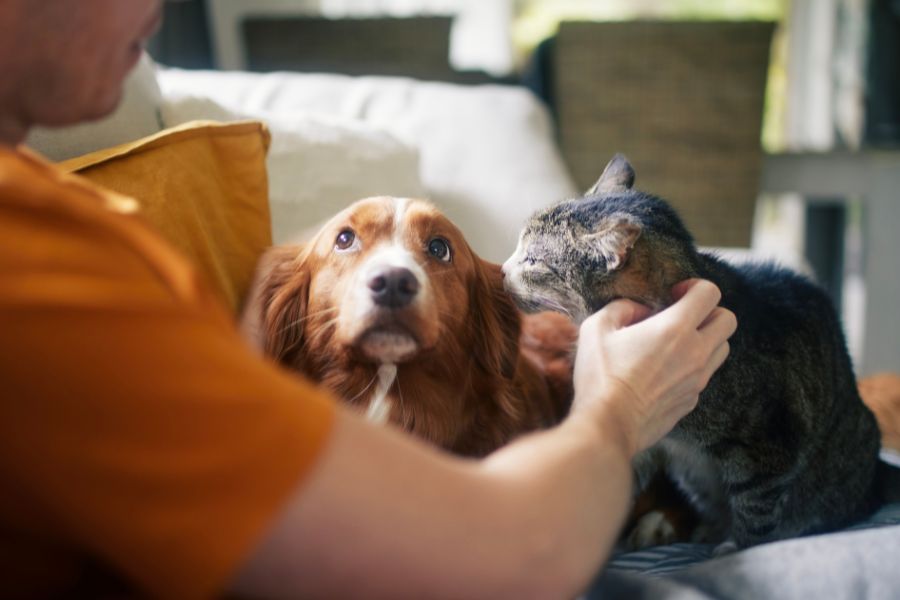
Finally, senior pets thrive when they feel secure, loved, and understood. As aging brings physical limitations, patience from owners becomes essential.
More cuddles, slow-paced activities, and positive attention help reduce stress and create emotional comfort. By strengthening the human–animal bond, a nurturing environment is created that supports both mental and physical health.
In conclusion, local services such as senior pet care in Tenafly can be explored for advanced support and guidance tailored to aging pets. Specialized wellness plans, nutrition counseling, and diagnostic services can help meet the unique needs of senior cats and dogs.
Although senior pets require additional attention, their golden years can be their most rewarding. By offering proper nutrition, gentle activity, regular health monitoring, and emotional support, owners can ensure comfort and happiness throughout their aging journey. When preventive care and home adjustments are prioritized, senior pets can enjoy longer, healthier, and more joyful lives.
If more blog topics or additional versions of this article are needed, feel free to ask!
Ready to Book an Appointment?
Our veterinary team is here for your pet — from routine care to urgent needs.