
Tenafly Veterinary Center | March 18, 2026
You love your cat—but your couch might tell a different story.
If you’ve ever walked into your living room and found shredded upholstery, you’re not alone. Scratching is one of the most common concerns cat owners face. It can feel frustrating, especially when you’ve invested in your home and want to keep it looking nice.
The good news? Scratching is completely natural for cats, and with the right approach, you can protect your furniture without harming your cat’s well-being.
This guide breaks down why cats scratch furniture and how to stop cats from scratching furniture using clear, practical steps that actually work.
Why Do Cats Scratch Furniture?
Before trying to fix the behavior, it helps to understand why it happens in the first place. Cats don’t scratch to be destructive. They scratch because they need to.
1. It’s a Natural Instinct
Scratching helps cats maintain their claws. It removes the outer layer and keeps their claws healthy and sharp.
2. They’re Marking Territory
Cats have scent glands in their paws. When they scratch, they leave both a visual mark and a scent signal. This is their way of saying, “This is mine.”
3. It’s a Form of Exercise
Stretching while scratching keeps their muscles flexible. You’ll often notice your cat scratching right after waking up.
4. Stress or Boredom
Changes in the home, lack of stimulation, or anxiety can increase scratching behavior. Furniture becomes an easy outlet.
5. They Prefer Certain Textures
Soft fabrics like couches and carpets feel satisfying under their claws. If your furniture feels better than a scratching post, your cat will choose it.
Understanding these reasons helps you respond in a way that solves the root problem, not just the surface behavior.
How Do I Stop Cat Scratching Furniture?
If you’re wondering how do I stop cat scratching furniture, the answer is not punishment. Cats don’t connect punishment with their actions the way humans expect. Instead, the goal is to redirect and replace the behavior.
Let’s walk through what works.
How to Stop Cats from Scratching Furniture: Practical Solutions
1. Provide the Right Scratching Alternatives
Cats need a better option—not just any option.
-
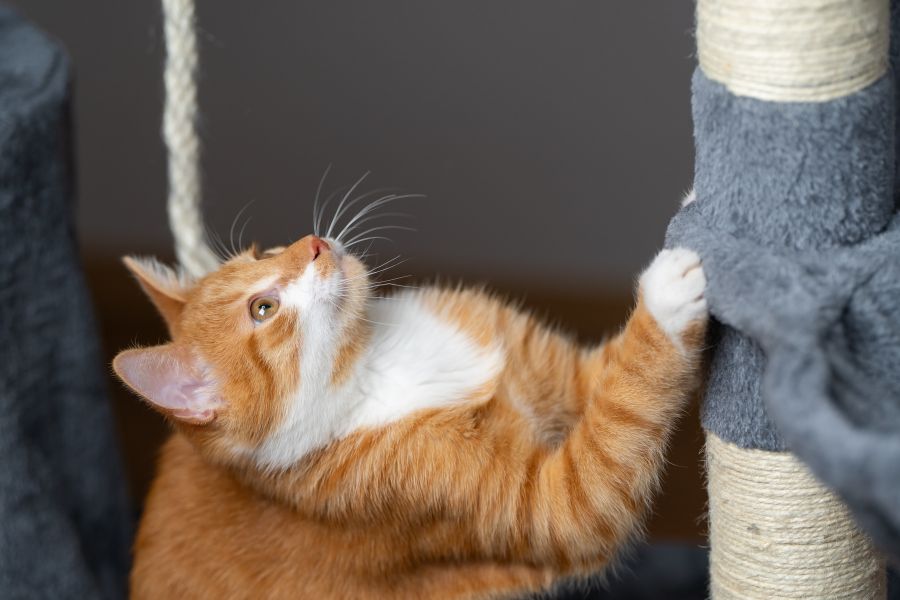
Choose sturdy scratching posts that don’t wobble
-
Try different materials like sisal, cardboard, or carpet
-
Offer both vertical and horizontal surfaces
Place these options where your cat already likes to scratch. Location matters as much as the product.
2. Make Furniture Less Appealing
If your furniture stops feeling good to scratch, your cat will lose interest.
You can try:
-
Double-sided tape on edges
-
Furniture covers or throws
-
Pet-safe deterrent sprays
These methods are safe and do not harm your cat. They simply change the texture or scent.
3. Use Positive Reinforcement
Reward the behavior you want to see.
-
Give treats when your cat uses a scratching post
-
Offer praise or playtime immediately after
Cats learn quickly when good behavior leads to something they enjoy.
4. Trim Your Cat’s Nails Regularly
Shorter nails reduce damage and make scratching less satisfying.
-
Trim every 2–3 weeks
-
Use proper cat nail clippers
-
Keep sessions calm and brief
If you’re unsure how to trim safely, a veterinary team can guide you.
5. Create a Stimulating Environment
A bored cat is more likely to scratch furniture.
-
Add climbing trees or perches
-
Rotate toys to keep things interesting
-
Schedule daily play sessions
Mental and physical activity reduces unwanted behaviors.
6. Identify and Reduce Stress Triggers
If scratching has suddenly increased, look for changes:
-
New pets or people
-
Rearranged furniture
-
Loud noises or disruptions
Helping your cat feel secure can reduce stress-driven scratching.
Common Mistakes to Avoid
Even with the best intentions, some approaches can make things worse.
1. Punishing Your Cat
Yelling or spraying water may stop the behavior temporarily, but it creates fear and confusion. It doesn’t teach your cat what to do instead.
2. Removing Scratching Options
If you take away scratching posts, your cat will turn back to furniture. The need doesn’t go away.
3. Ignoring Early Signs
Light scratching can quickly become a habit. Address it early before it becomes routine.
When Scratching Becomes a Bigger Problem
Most scratching is normal. But sometimes, it can signal something more.
Watch for:
-
Sudden increase in destructive behavior
-
Signs of anxiety like hiding or aggression
-
Over-grooming or changes in appetite
If you notice these changes, it may be time to consult a veterinarian. Behavioral changes can sometimes point to stress or underlying health concerns.
If you’re unsure, it’s always a good idea to visit our website for more information about behavioral support and veterinary care options.
Creating a Cat-Friendly Home Without Sacrificing Your Furniture
The goal is balance. You don’t have to choose between your cat’s happiness and your home’s condition.
A few thoughtful adjustments can make a big difference:
-
Place scratching posts near sleeping areas
-
Keep furniture edges protected during training
-
Maintain a consistent routine
-
Offer variety in textures and surfaces
When your cat’s needs are met, unwanted scratching naturally decreases.
Conclusion: A Better Approach That Works for You and Your Cat
Scratching is part of being a cat. It won’t disappear, but it can be redirected.
By understanding why cats scratch furniture and applying simple, consistent strategies, you can protect your home without creating stress for your pet. Focus on providing the right alternatives, making furniture less appealing, and reinforcing positive behavior.
If you’re still struggling or notice unusual changes in behavior, professional guidance can make a difference. A tailored plan helps address both behavior and overall well-being.
When you’re ready for expert support, book an appointment to discuss your cat’s needs and create a plan that works for your home and your pet.
FAQs About Cat Scratching Behavior
1. Why is my cat suddenly scratching furniture more than before?
A: Sudden changes often point to stress, boredom, or environmental changes. Check for recent disruptions and ensure your cat has enough stimulation.
2. Do scratching posts really work?
A: Yes, but only if they match your cat’s preferences. Size, material, and placement all matter.
3. Is declawing a good solution?
A: Declawing is not recommended. It can cause long-term pain and behavioral issues. Safer alternatives are more effective and humane.
4. How long does it take to train a cat to stop scratching furniture?
A: It varies. Some cats adjust within weeks, while others take longer. Consistency is key.
5. Can I use sprays to stop scratching?
A: Pet-safe deterrent sprays can help when combined with proper alternatives. They should not be the only solution.
6. When should I talk to a veterinarian about scratching behavior?
A: If scratching is excessive, sudden, or paired with other behavioral changes, professional guidance can help rule out stress or health issues.
Ready to Book an Appointment?
Our veterinary team is here for your pet — from routine care to urgent needs.