
Tenafly Veterinary Center | August 11, 2025
Welcoming a new puppy into your home is an exciting and heartwarming experience. While playtime, cuddles, and training may take the spotlight, ensuring your pup’s health through a comprehensive medical exam is equally important. A puppy’s first veterinary checkup sets the foundation for lifelong health, offering preventive care, early diagnosis, and peace of mind.
In this blog, we’ll explore the key health tests included in a puppy’s medical exam, why they matter, and how they help keep your furry companion thriving.
1. Physical Examination: The First Step to Health
A medical exam always begins with a thorough physical check-up. During this stage, your veterinarian will assess:
-
Weight and body condition – to ensure your puppy is growing at a healthy rate.
-
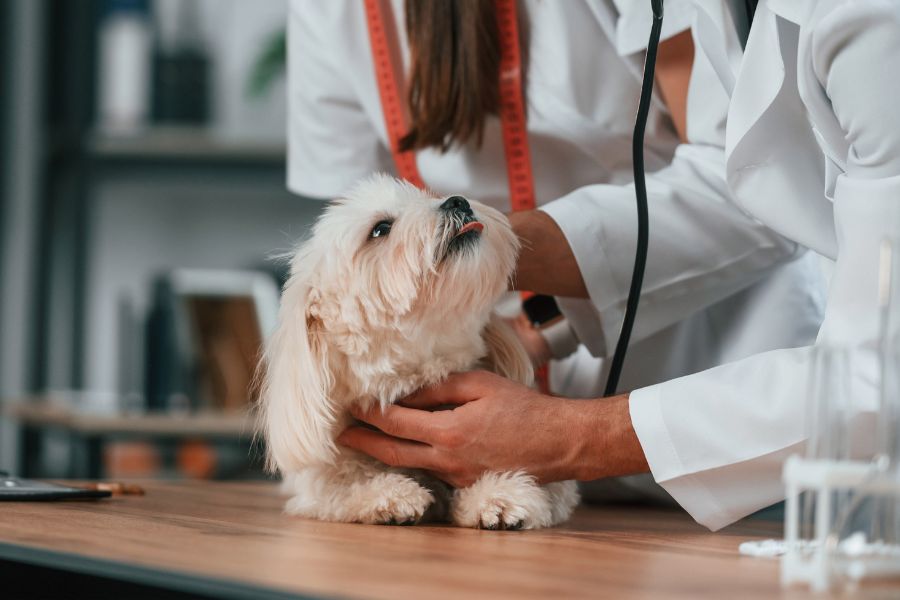
Heart and lungs – listening for murmurs, irregular beats, or breathing concerns.
-
Skin and coat – checking for parasites, dryness, or infections.
-
Ears, eyes, and nose – identifying signs of discharge, redness, or infection.
This initial evaluation helps detect early warning signs and guides the rest of the health testing process. Transitioning from this step, your vet will move on to more targeted screenings.
2. Vaccination Review and Scheduling
Vaccinations are a vital part of puppy care, protecting against dangerous diseases like parvovirus, distemper, and rabies. During the exam, your vet will:
-
Review your puppy’s vaccination history (if available).
-
Create a tailored vaccination schedule.
-
Administer age-appropriate shots to build immunity.
This step ensures your puppy is protected from common illnesses while their immune system is still developing.
3. Parasite Screening: Keeping Your Pup Pest-Free
Puppies are often susceptible to internal and external parasites, which can impact growth and overall well-being. Common tests include:
-
Fecal examination – detects intestinal worms such as roundworms, hookworms, and whipworms.
-
Blood tests – identify tick-borne diseases and heartworm infection.
-
Skin scrapings – check for mites or fungal infections.
Early detection allows for prompt treatment, helping your puppy stay comfortable and parasite-free.
4. Blood Work: A Peek Inside Your Puppy’s Health
Routine blood testing gives valuable insight into your puppy’s internal health. Key assessments include:
-
Complete Blood Count (CBC) – evaluates red and white blood cells for signs of anemia or infection.
-
Blood chemistry panel – monitors liver, kidney, and pancreatic functions.
-
Thyroid function test – checks for hormonal imbalances.
These screenings can reveal hidden health issues before symptoms appear, making early intervention possible.
5. Urinalysis: Understanding Organ Function
Urinalysis provides a wealth of information about your puppy’s kidney and bladder health. It can detect:
-
Urinary tract infections.
-
Early kidney disease.
-
Abnormalities in sugar or protein levels may indicate other health concerns.
Paired with blood work, urinalysis gives your vet a complete picture of your puppy’s organ health.
6. Dental Assessment: Starting Oral Care Early
Even at a young age, dental health plays a crucial role in your puppy’s overall well-being. During the exam, your veterinarian will:
-
Check for retained baby teeth.
-
Inspect for tartar buildup or gum inflammation.
-
Provide guidance on home dental care routines.
Good oral hygiene from the start prevents painful dental diseases later in life.
7. Growth and Nutrition Counseling
Proper growth is essential during your puppy’s early months. Your vet may recommend:
-
Balanced diets tailored to breed and size.
-
Feeding schedules that support healthy weight gain.
-
Supplements if necessary for bone and joint development.
A well-fed puppy grows into a strong, energetic adult dog.
8. Microchipping: Lifelong Identification
Microchipping is a simple, quick procedure that helps reunite lost pets with their families. While not a “test,” it is often included during the first veterinary visits. It’s a proactive step toward your puppy’s safety.
9. Tailoring Care for Your New Pet
Every puppy is unique, and their medical exam should reflect that. Factors like breed predispositions, environment, and lifestyle influence which tests your vet may recommend. For example, Overpeck Creek Animal Hospital emphasizes individualized care to ensure every pup receives the most relevant screenings.
Your puppy’s first medical exam is more than just a routine visit—it’s the foundation for a lifetime of health. By completing essential tests, your veterinarian ensures your new companion grows up strong, protected, and happy.
Investing time in comprehensive veterinary care early on will save you from potential stress, costly treatments, and preventable illnesses in the future. So, as you enjoy the playful barks, wagging tails, and snuggles, remember that a healthy start is the best gift you can give your furry friend. Make sure they also provide services for both puppy care & kitten care in Bogota, ensuring all young pets get a healthy start.
Frequently Asked Questions(FAQs):
1. What happens during a puppy’s first veterinary medical exam?
A: A puppy’s first medical exam includes a full physical evaluation, vaccination review, parasite screening, and discussions about nutrition, growth, and preventive care. The veterinarian checks your puppy’s weight, heart, lungs, skin, eyes, ears, and overall development to identify any early health concerns and create a personalized care plan.
2. Why are vaccinations so important during a puppy’s early months?
A: Vaccinations protect puppies from serious and potentially life-threatening diseases such as parvovirus, distemper, and rabies. Since a puppy’s immune system is still developing, timely vaccinations help build immunity and reduce the risk of preventable illnesses during their most vulnerable stage of life.
3. What parasite tests are included in a puppy health exam?
A: Parasite screening commonly includes a fecal exam to detect intestinal worms, blood tests for heartworm and tick-borne diseases, and skin tests to check for mites or fungal infections. Early detection allows for fast treatment, ensuring your puppy stays comfortable, healthy, and growing properly.
4. Does my puppy really need blood work and urinalysis?
A: Yes. Blood work and urinalysis provide valuable insight into your puppy’s internal organ health, even when they appear healthy. These tests can identify infections, anemia, kidney or liver concerns, and other hidden conditions early—before symptoms become noticeable.
5. When should dental care start for puppies?
A: Dental care should begin during your puppy’s first veterinary visits. Your veterinarian will check for retained baby teeth, gum health, and early plaque buildup, while also offering guidance on brushing and at-home oral care. Early dental care helps prevent painful dental disease later in life.
6. Do veterinary clinics offer care for both puppies and kittens?
A: Many full-service veterinary clinics provide comprehensive puppy care and kitten care in Bogota, including wellness exams, vaccinations, parasite prevention, nutrition counseling, and microchipping. Early veterinary care ensures all young pets—whether canine or feline—get the healthiest possible start.
Ready to Book an Appointment?
Our veterinary team is here for your pet — from routine care to urgent needs.