
Tenafly Veterinary Center | March 12, 2026
Many pet owners focus on food, exercise, and vaccinations. Dental care often receives less attention. Small problems inside a pet’s mouth can quietly grow into serious health concerns. Bad breath, swollen gums, or difficulty chewing may seem minor. These signs can point to deeper issues that affect the heart, kidneys, and overall comfort of a pet.
Understanding the hidden risks of dental neglect helps owners make better daily care decisions. Simple habits such as regular brushing, dental treats, and routine checkups can prevent pain and disease. Good pet dental health also improves appetite, energy, and quality of life.
This guide explains the dangers of poor oral care, the warning signs to watch for, and practical steps that protect your pet’s smile. Many families in Bogota rely on local clinics for preventive care and professional guidance.
Why Dental Problems in Pets Often Go Unnoticed
Pets rarely show pain in obvious ways. A dog or cat may continue eating even while experiencing gum inflammation or tooth damage. Owners often assume everything is fine because their pet still plays or eats normally.
Plaque buildup begins with food particles and bacteria. This sticky layer slowly hardens into tartar. Gums become irritated. Infection may develop beneath the gum line. The process progresses quietly over time.
Some early signs include persistent bad breath, drooling, yellow or brown tooth buildup, and pawing at the mouth. These signs often appear subtle. Many owners dismiss them as normal behavior.
Delayed treatment allows bacteria to spread deeper into the tissue and the bloodstream. Pain increases as the disease advances. Pets may start chewing on one side of the mouth or avoiding hard food.
Awareness remains the first step toward prevention. Regular oral checks at home help detect these changes earlier.
Health Problems Linked to Poor Oral Hygiene
Dental disease rarely stays limited to the mouth. Harmful bacteria from infected gums can travel through the bloodstream. This process affects other organs over time.
Heart complications represent one possible risk. Bacteria entering circulation may contribute to inflammation around heart valves. Kidney stress can also occur as the organs filter contaminated blood.
Weight loss may develop when pets avoid eating due to mouth pain. Some animals become irritable or less active. Their behavior changes because constant discomfort affects mood and energy.
Advanced infections may lead to tooth loss or jawbone damage. Severe cases require surgery or tooth extraction. Treatment becomes more complex when the disease reaches this stage.
Preventive care protects more than teeth. It supports the whole body.
Warning Signs Every Pet Owner Should Watch For
Dental problems rarely appear overnight. Small symptoms often appear weeks or months before serious disease develops. Recognizing these signals early helps prevent long-term complications.
Watch for strong or unusual breath odor. Observe changes in chewing behavior. Dropping food from the mouth may indicate tooth pain. Excess drooling or red gums may also signal irritation.
Another sign involves swelling around the jaw or face. Some pets resist being touched near the mouth. Behavioral shifts may include hiding, reduced play, or sudden irritability.
Midway through a pet’s life, routine exams become especially important for monitoring pet dental health. A professional cleaning removes tartar that brushing cannot reach. Regular evaluations allow problems to be treated before they grow severe.
Everyday Habits That Protect Your Pet’s Teeth
Healthy dental routines do not require complicated tools. Consistency matters more than complexity.
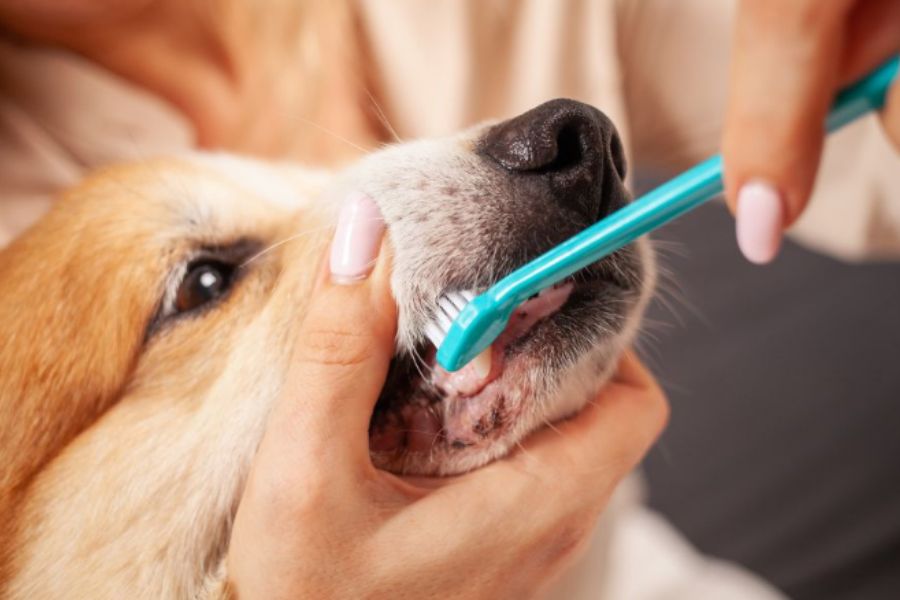
Brushing a pet’s teeth several times each week reduces plaque buildup. Pet-safe toothpaste remains essential. Human toothpaste may irritate their stomach.
Dental chews and textured toys can help clean teeth during play. Crunchy diets designed for oral support may also reduce plaque accumulation.
Regular visual checks at home provide valuable insight. Lift the lips and look for discoloration, swelling, or debris. This quick habit takes less than a minute yet reveals many early issues.
Routine professional cleanings remove hardened tartar and evaluate gum health. Preventive visits often cost less than advanced treatments later.
Learning More About Complete Pet Care
Dental health forms only one part of a pet’s overall wellness plan. Preventive care includes exams, vaccinations, parasite protection, and nutrition guidance. Each element supports long-term comfort and longevity.
Pet owners often benefit from exploring trusted resources and services offered by experienced clinics. Visiting a clinic’s website provides helpful details about wellness programs, dental care options, diagnostic services, and treatment approaches. Learning about available services allows families to plan proactive care that supports their pet’s lifelong health.
Conclusion
Dental care remains one of the most overlooked parts of pet wellness. Small daily habits prevent painful infections and serious health complications. Regular checkups, brushing, and early detection protect comfort and longevity. Pet owners who stay proactive give their companions a healthier life and a brighter smile.
We are conveniently located in Bogota, NJ, and welcome you to our facility at 101 E Main St, Bogota, NJ 07603—where compassionate care and community come together for your pet’s well-being. Book an appointment with Overpeck Creek Animal Hospital.
Frequently Asked Questions(FAQs):
1. How often should pets receive professional dental cleanings?
A: Most pets benefit from a professional dental cleaning once each year. Some animals with faster tartar buildup may need more frequent visits. A veterinarian evaluates gum condition, tartar levels, and age to recommend the best schedule.
2. Can bad breath in pets indicate a serious problem?
A: Yes. Persistent bad breath often signals bacterial buildup or gum infection. Temporary odor may occur after eating. An ongoing smell usually points to dental disease that requires examination and possible cleaning.
3. Is brushing a pet’s teeth really necessary?
A: Brushing remains one of the most effective ways to prevent plaque buildup. Even brushing two or three times each week significantly reduces tartar formation and protects gums from inflammation and infection.
4. Are dental treats enough to protect a pet’s teeth?
A: Dental treats help reduce plaque through chewing action. They cannot replace brushing or professional cleanings. Treats work best when combined with regular home care and routine dental exams.
5. At what age do dental problems usually begin?
A: Many pets show early plaque buildup by age three. Small breeds sometimes develop dental disease earlier due to crowded teeth. Early monitoring helps prevent long-term damage.
6. Can dental disease shorten a pet’s lifespan?
A: Severe dental infections may affect organs such as the heart and kidneys. Chronic inflammation and bacteria place stress on the body. Early prevention and treatment greatly reduce these health risks.
Ready to Book an Appointment?
Our veterinary team is here for your pet — from routine care to urgent needs.