
Tenafly Veterinary Center | October 30, 2025
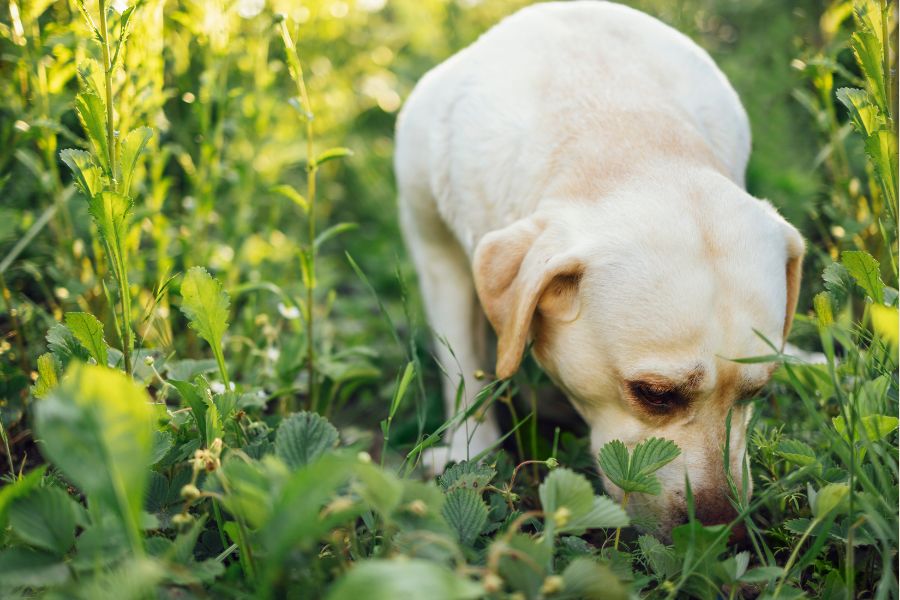
Dogs eating grass is a common behavior that often puzzles pet owners. While it might seem strange, this habit can be closely linked to psychological factors such as boredom and anxiety. Understanding why your furry friend turns to grass can help you manage their behavior and ensure their well-being.
When Grass Becomes a Coping Mechanism
Just like humans might bite their nails or doodle when anxious, dogs sometimes resort to eating grass as a way to cope with their feelings. Dogs left alone for long periods or without enough stimulation may turn to grass eating out of sheer boredom. It helps fill the time and provides a simple activity to focus on. Similarly, dogs experiencing anxiety — perhaps due to separation from their owners or changes in their environment — might chew on grass for comfort.
The Role of Mental Stimulation and Social Interaction
Lack of mental and physical exercise plays a major role in these behaviors. Without sufficient walks, playtime, or companionship, dogs can become restless and frustrated. This state often triggers repetitive behaviors like grass eating. Increasing your dog’s exercise, offering puzzle toys, or considering doggy daycare can significantly reduce anxiety and boredom. These approaches create engagement and comfort, helping your dog find healthier ways to channel their energy.
Natural Instincts and Ancestral Habits
Interestingly, grass eating is also tied to canine ancestry. Wild canines often consumed grasses and plants found in the stomachs of their prey, which helped balance their diets with fiber. Domestic dogs have retained some of these instincts, but today, psychological triggers such as boredom and anxiety primarily drive this behavior. Therefore, the grass serves both as a natural instinct and a coping response.
Is Eating Grass Harmful?
Most dogs eating grass occasionally are safe, especially if you ensure the grass is pesticide-free. However, excessive grass eating could signal underlying issues such as dietary deficiencies, gastrointestinal discomfort, or chronic anxiety. If your dog vomits frequently after grass consumption or shows signs of illness, consulting your veterinarian is essential. Your trusted veterinary clinic in Tenafly, NJ can help diagnose any health problems and recommend appropriate treatment.
Strategies to Help Your Dog Stop Eating Grass
-
Provide plenty of physical exercise: Increase walk duration and playtime.
-
Offer mental enrichment: Use puzzle feeders or interactive toys.
-
Address anxiety: Use calming techniques such as familiar scents or owner items.
-
Regular vet checkups: Rule out medical causes behind grass eating.
Understanding the psychological reasons behind grass eating can help you respond with empathy and practical solutions. By enriching your dog’s environment and monitoring their health, you can ensure they stay happy and healthy without relying on grass-eating behaviors. For persistent issues, reaching out to a veterinary clinic in Tenafly, NJ, is the best step for expert guidance.
Frequently Asked Questions
1. What does it mean when dogs eat grass?
A: Dogs eating grass can indicate a variety of things, from instinct and dietary needs to psychological factors such as boredom or anxiety. Sometimes it’s just a harmless habit, while other times it might hint at underlying health concerns.
2. Should you allow your dog to eat grass if they want?
A: Allowing your dog to eat grass in moderation is generally safe as long as the grass is untreated and clean. However, if the behavior becomes frequent or excessive, it’s best to consult a vet to rule out medical or behavioral issues.
3. What might my dog be lacking if it eats grass?
A: Grass eating may suggest a fiber deficiency or other dietary imbalances. Dogs might instinctively seek out grass to add roughage to their diet. However, it could also be a response to boredom or anxiety rather than purely nutritional needs.
4. Do dogs eat grass when they are unwell?
A: Some dogs eat grass to soothe mild stomach upset or nausea, but this is not always the case. If your dog frequently vomits or shows other symptoms such as lethargy or loss of appetite, consult your veterinary clinic in Tenafly, NJ for a thorough examination.
Ready to Book an Appointment?
Our veterinary team is here for your pet — from routine care to urgent needs.