Tenafly Veterinary Center | May 26, 2026
What your pet eats every single day is either building their health or quietly eroding it. The idea of food as medicine isn’t a wellness trend—it’s a foundational truth that shapes everything from coat quality and energy levels to organ function and lifespan.
This blog explores how strategic, nutrient-focused feeding can prevent chronic illness, support recovery, and give your cat or dog the kind of long, vibrant life every pet owner hopes for. We’ll cover the science behind functional nutrition, the most impactful dietary choices you can make, the role of whole foods and supplements, and how to work with a veterinarian near you to build a plan tailored to your specific animal.
Why Nutrition Is the Foundation of Pet Health
Every biological process in your pet’s body—immune response, cell repair, hormone regulation, digestion—depends on raw materials supplied by food. When those materials are low quality, incomplete, or poorly absorbed, the body compensates for a while. Then it doesn’t.
Chronic conditions like obesity, diabetes, kidney disease, arthritis, and certain cancers in pets have all been linked, at least in part, to long-term nutritional deficits or imbalances. The connection isn’t always obvious. A dog eating the same commercial kibble for years may seem fine—until a health screening reveals elevated liver enzymes or early joint degeneration.
The encouraging reality is that food works in both directions. The same nutritional intelligence that causes harm, when reversed and redirected, can delay disease onset, support healing, and improve quality of life at every stage.
The Role of Whole Foods in Pet Diets
1. Real Ingredients Make a Real Difference
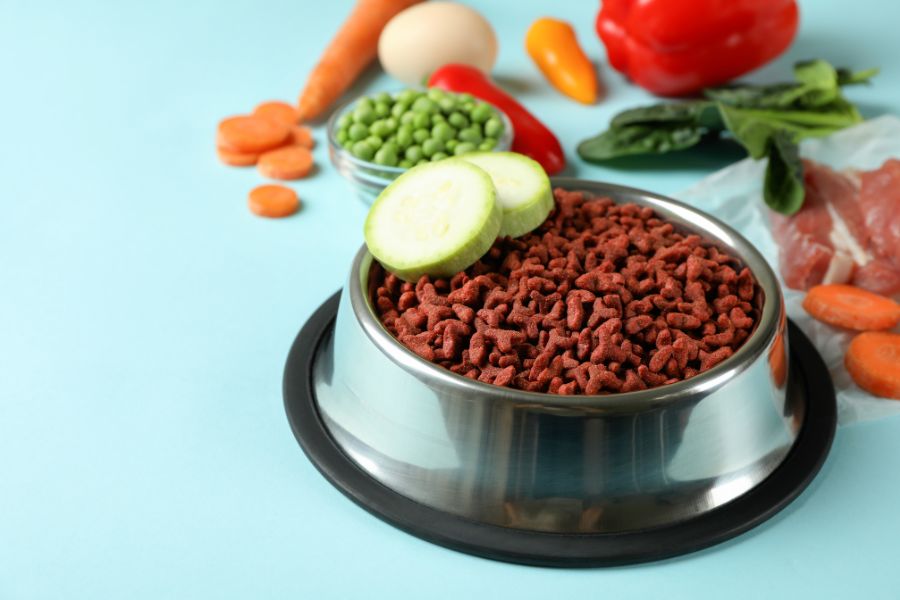
Highly processed pet foods often rely on rendered by-products, synthetic nutrients, and stabilizers that technically meet minimum standards but don’t reflect how animals evolved to eat. Whole-food ingredients—named proteins, fresh vegetables, minimally processed grains or starches—deliver nutrients in forms the body recognizes and absorbs more efficiently.
For dogs, ingredients like lean meats, eggs, sweet potatoes, blueberries, and leafy greens provide antioxidants, fiber, and anti-inflammatory compounds that support cellular health. For cats, animal-based proteins and fats remain non-negotiable because of their unique metabolic requirements.
2. Fresh and Raw Feeding: Benefits and Cautions
Fresh-cooked and raw diets have gained significant attention for good reason—many pets show improvements in digestion, coat health, and energy on these regimens. That said, homemade diets carry a real risk of nutritional imbalance if not properly formulated. Before switching your pet to a home-prepared diet, consult a veterinary nutrition specialist or a board-certified professional who can ensure complete and balanced intake.
Key Nutrients That Function as Natural Medicine
1. Omega-3 Fatty Acids
Found in fish oil, sardines, and flaxseed, omega-3 fatty acids are among the most well-researched functional nutrients in veterinary care. They reduce systemic inflammation, support joint mobility in arthritic pets, improve skin and coat condition, and have shown promise in supporting heart and kidney function.
2. Probiotics and Gut Health
The gut microbiome plays a central role in immune regulation—roughly 70% of the immune system resides in the digestive tract. Probiotic-rich foods or targeted supplements help maintain microbial balance, reduce digestive upset, and may reduce the severity of allergies and inflammatory conditions.
3. Antioxidants: Vitamins C and E, Selenium, and Polyphenols
Oxidative stress accelerates cellular aging and contributes to chronic disease. Antioxidants neutralize free radicals and help maintain long-term cellular integrity. Foods like blueberries, broccoli, spinach, and pumpkin carry these compounds naturally.
4. Lean Protein and Muscle Maintenance
As pets age, maintaining lean muscle mass becomes increasingly important for mobility, metabolism, and immune defense. High-quality, bioavailable protein—from chicken, turkey, fish, or eggs—provides the amino acids required for tissue repair and enzymatic function.
Feeding for Specific Health Conditions
Nutrition doesn’t just support general wellness—it can be therapeutically targeted. Pets with kidney disease benefit from phosphorus-controlled, high-quality protein diets. Those with liver conditions may need reduced copper and specific amino acid profiles. Diabetic dogs and cats often respond well to low-glycemic, high-fiber, or high-protein meal plans that stabilize blood glucose.
Skin allergies—among the most common reasons pet owners seek help—are frequently diet-related. An elimination diet, guided by a veterinarian near you, can identify the offending ingredient and dramatically reduce chronic itching, inflammation, and secondary infections without requiring long-term medication.
Joint disease, increasingly diagnosed in younger pets due to rising obesity rates, responds to anti-inflammatory dietary strategies including omega-3 supplementation, weight management, and joint-supportive nutrients like glucosamine and chondroitin.
Practical Steps to Start Feeding Therapeutically
- Audit current food labels. Look for named proteins as the first ingredient. Avoid vague terms like “meat meal” or excessive fillers.
- Transition gradually. Any dietary shift should happen over 7–10 days to prevent digestive upset.
- Address weight first. Excess body weight is one of the most damaging health factors in pets. Even modest weight reduction reduces joint stress, cardiovascular strain, and inflammatory load.
- Add whole foods toppers. Even a premium commercial diet benefits from fresh additions—a spoonful of pumpkin for fiber, a piece of sardine for omega-3s, or a few blueberries as antioxidant support.
- Track and adjust. Monitor coat quality, energy, stool consistency, and weight regularly. These are the simplest indicators that nutrition is working.
Conclusion
Food is not a passive input—it is an active, ongoing intervention in your pet’s health. The right dietary choices reduce inflammation, protect organs, support immunity, and give pets the biological resources to live well for longer. This isn’t about perfection; it’s about making deliberate, informed choices that compound over time.
If you’re located in Bogota or the surrounding area, the team at Overpeck Creek Animal Hospital can help you build a nutrition strategy tailored to your pet’s specific needs, life stage, and health history. Compassionate care and real community connection are at the heart of everything they do—and that includes helping your pet thrive through every meal.
Frequently Asked Questions(FAQs):
Q1: Can I treat my pet’s illness with diet alone?
A: Diet is a powerful complement to veterinary care but rarely a standalone cure. For diagnosed conditions, always combine nutritional strategies with professional guidance to ensure safe and effective treatment outcomes.
Q2: What foods are most harmful to pets?
A: Grapes, raisins, onions, garlic, xylitol (a sweetener), chocolate, and macadamia nuts are toxic to dogs and/or cats. Even small amounts can cause serious harm and require immediate attention.
Q3: How do I know if my pet’s food is nutritionally complete?
A: Look for an AAFCO statement on the packaging indicating the food meets nutritional standards for your pet’s life stage. For homemade diets, consult a veterinary nutritionist to confirm balance.
Q4: Are grain-free diets better for pets?
A: Not necessarily. Grain-free diets work well for pets with confirmed grain sensitivities, but they are not inherently superior. Some grain-free formulas have been associated with cardiac issues in dogs—discuss options with your vet.
Q5: How does obesity affect a pet’s long-term health?
A: Obesity accelerates joint degeneration, increases heart and respiratory strain, raises diabetes risk, and shortens life expectancy. Weight management through diet and exercise is one of the highest-impact health interventions available.
Q6: At what age should I start thinking about my pet’s nutrition more carefully?
A: From day one. Nutritional foundations built in puppyhood and kittenhood shape long-term health trajectories. As pets enter their senior years (around 7+ for dogs, 10+ for cats), dietary needs shift—adjusting proactively supports healthy aging.
Ready to Book an Appointment?
Our veterinary team is here for your pet — from routine care to urgent needs.