Tenafly Veterinary Center | May 27, 2025
Just like humans, pets need regular dental care to stay healthy. While it’s easy to focus on vaccinations, flea prevention, and diet, dental health is often overlooked — until there’s a painful (and expensive) problem. Knowing how to schedule dental checkups for your pet can save you money in the long run and, more importantly, keep your furry friend happy and healthy.
Why Dental Health Matters
Dental disease in pets often begins quietly, with no obvious symptoms. But beneath the surface, bacteria from plaque and tartar can lead to inflamed gums, tooth loss, and even infections that spread to the heart, kidneys, and liver. Bad breath, difficulty eating, drooling, or pawing at the mouth are just a few warning signs that something may be wrong, though by the time these appear, the disease may already be advanced.
Preventive care is the key to avoiding all of that. Regular dental checkups allow your vet to detect problems early and recommend cleanings or other treatments before they become severe or costly.
How Often Is “Regular” for Dental Visits?
The general rule of thumb is once a year for most adult dogs and cats. However, the exact schedule depends on a few key factors:
1. Age of Your Pet
Puppies and kittens typically don’t need dental cleanings right away, but their mouths should still be checked during routine exams. As they reach adulthood, yearly dental visits become more important. For senior pets, or those showing signs of dental issues, more frequent checkups may be recommended — every 6 months in some cases.
2. Breed
Some breeds are more prone to dental problems. Small dog breeds like Chihuahuas, Yorkies, and Dachshunds often have overcrowded teeth, which can trap food and lead to faster plaque buildup. Certain cat breeds, like Persians, may also be more vulnerable to gum issues. If your pet is in one of these higher-risk categories, your vet may suggest a tighter dental care schedule.
3. At-Home Dental Care Routine
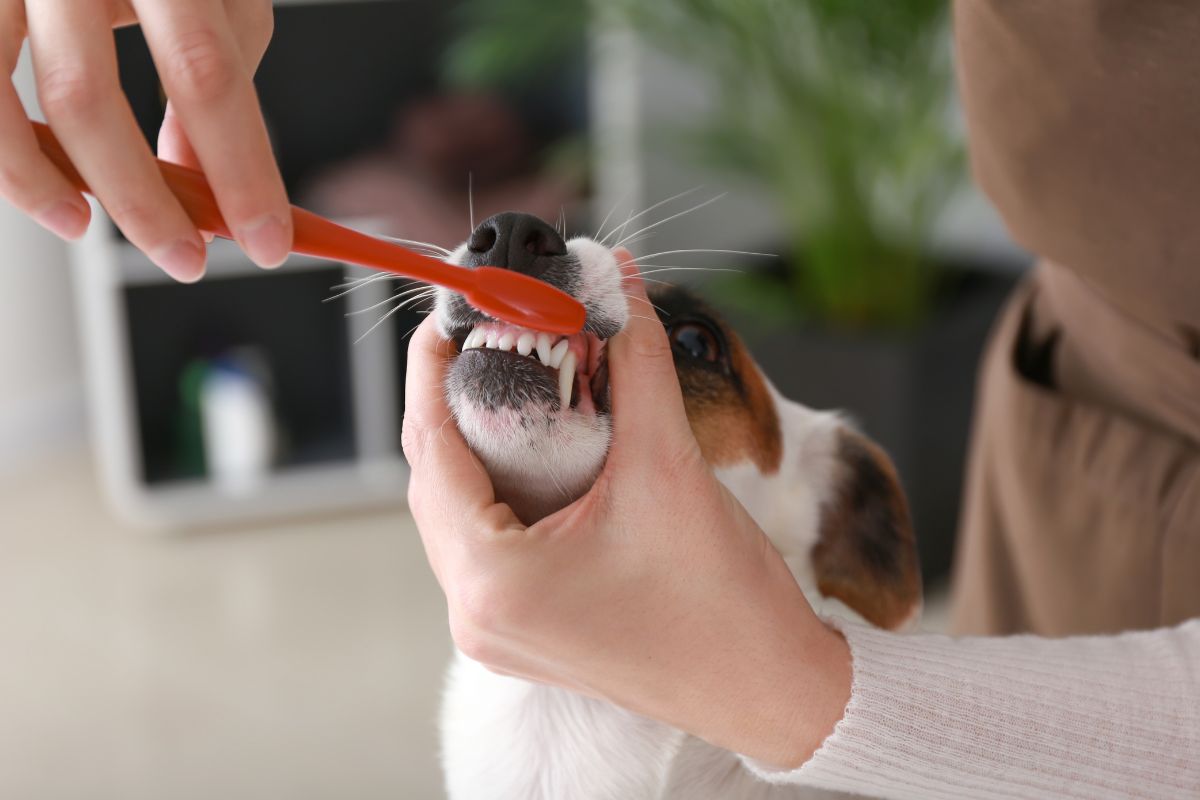
Pets that receive regular at-home care, like brushing, dental chews, or special diets, may be able to go longer between professional cleanings. However, home care is not a substitute for a professional exam. Your vet can assess whether your efforts are enough or if a deeper cleaning is needed.
4. Previous Dental Issues
If your pet has already had dental procedures or experienced gum disease, their risk of future problems is higher. Regular follow-ups will help keep things under control and prevent repeat issues.
What Happens During a Dental Checkup?
A typical dental exam for pets involves inspecting the teeth and gums for signs of disease, tartar buildup, or damage. Your vet may recommend a professional cleaning under anesthesia, especially if plaque has hardened into tartar. During a cleaning, the team removes plaque above and below the gumline, polishes the teeth, and may take dental x-rays to check for hidden issues.
Don’t Wait for Symptoms
Dental disease can be painful, but pets are great at hiding discomfort. That’s why proactive dental care is so important. Waiting for visible signs, like swollen gums or bad breath, usually means the problem has already progressed.
By keeping up with annual dental checkups, you’re giving your pet the best chance at a longer, healthier life. Early detection leads to simpler treatments, and that means less stress for your pet and more peace of mind for you.
Final Thoughts
Ready to Book an Appointment?
Our veterinary team is here for your pet — from routine care to urgent needs.