
Tenafly Veterinary Center | April 22, 2026
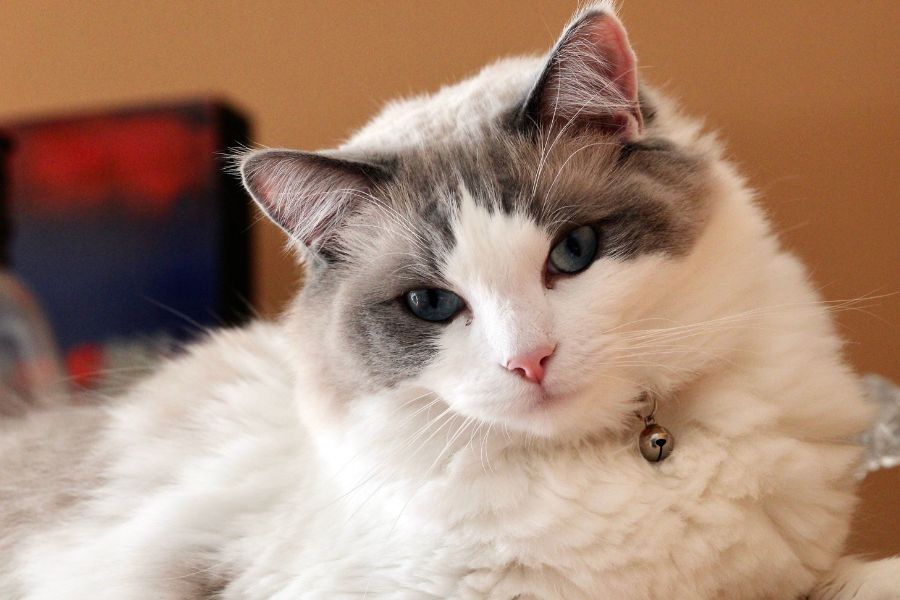
Ragamuffin cats are known for their calm personality, plush coats, and deep affection for their families. They are the type of cat that will follow you from room to room, settle into your lap, and stay close whenever possible. But while their gentle nature makes them wonderful companions, it can also make it harder to notice when something is wrong.
Have you ever wondered if your Ragamuffin is as healthy as they seem?
Because of their relaxed temperament, Ragamuffin cats often hide discomfort well. That’s why understanding common health issues is important. When you know what to look for, you can act early and give your cat the best possible care.
Why Health Awareness Matters for Ragamuffin Cats
The Ragamuffin breed is generally healthy, but like all cats, they are prone to certain conditions. Some are genetic, while others are related to lifestyle, diet, or aging.
Early detection makes a real difference. Small changes in behavior, appetite, or movement can be early signs of larger problems. Paying attention to these details helps you avoid complications and costly treatments later.
Think of it this way: your cat depends on you to notice what they can’t say.
Common Ragamuffin Cat Health Issues
Let’s take a closer look at the most common health concerns in Ragamuffin cats and what you should watch for.
1. Hypertrophic Cardiomyopathy (Heart Disease)
Hypertrophic cardiomyopathy (HCM) is one of the most common heart conditions in cats, including Ragamuffins. It causes the heart muscle to thicken, making it harder for the heart to pump blood effectively.
Signs to watch for:
- Rapid or labored breathing
- Low energy or sudden fatigue
- Loss of appetite
- Fainting or collapse in severe cases
This condition can develop slowly, and some cats may not show symptoms until it becomes serious. Regular veterinary checkups and heart screenings can help detect it early.
2. Obesity and Weight-Related Problems
Ragamuffins are naturally laid-back cats. They enjoy lounging more than jumping, which can lead to weight gain if their diet and activity aren’t managed.
Why it matters:
Excess weight increases the risk of diabetes, joint problems, and heart disease.
Signs of unhealthy weight:
- Difficulty grooming
- Reduced activity
- Noticeable fat around the abdomen
- Trouble jumping or climbing
Maintaining a balanced diet and encouraging playtime helps keep your Ragamuffin in a healthy weight range.
3. Dental Disease
Dental issues are often overlooked, but are very common in cats. Ragamuffins are no exception.
Common dental problems include:
- Gum inflammation
- Tartar buildup
- Tooth decay
Warning signs:
- Bad breath
- Drooling
- Difficulty eating
- Pawing at the mouth
Without treatment, dental disease can lead to infections that affect other parts of the body. Regular dental care is a simple way to prevent bigger issues.
4. Polycystic Kidney Disease (PKD)
Polycystic kidney disease is a genetic condition where fluid-filled cysts form in the kidneys. Over time, this can affect kidney function.
Symptoms may include:
- Increased thirst
- Frequent urination
- Weight loss
- Reduced appetite
PKD may not show symptoms in early stages, which is why routine health screenings are important, especially if your Ragamuffin comes from a breeder.
5. Urinary Tract Issues
Ragamuffin cats can develop urinary problems, including infections or blockages. These issues can become serious quickly if not treated.
Watch for:
- Straining in the litter box
- Frequent attempts to urinate
- Blood in urine
- Crying while urinating
If you notice any of these signs, it’s important to seek care right away. Urinary blockages can be life-threatening.
6. Joint and Mobility Problems
Due to their size and relaxed nature, some Ragamuffins may develop joint issues as they age.
Common concerns:
- Arthritis
- Reduced mobility
- Stiffness after resting
Signs to notice:
- Hesitation to jump
- Less interest in play
- Changes in walking pattern
Providing soft bedding, maintaining a healthy weight, and regular checkups can help manage joint health.
Grooming and Skin Health
The Ragamuffin’s long, plush coat is one of its most beautiful features. It is also an area that requires attention.
Without regular grooming, their fur can become tangled or matted, leading to skin irritation.
What to watch for:
- Mats or knots in the fur
- Red or irritated skin
- Excessive shedding
- Parasites like fleas
Brushing your Ragamuffin a few times a week helps keep its coat healthy and reduces the risk of skin problems.
Behavioral Changes: The Hidden Clues
Sometimes, the first sign of a health issue is not physical. It’s behavioral.
Ask yourself:
- Is your cat hiding more than usual?
- Have they lost interest in interaction?
- Are they sleeping significantly more?
Ragamuffins are social cats. A sudden behavior change often means something is off.
Trust your instincts. If something feels different, it’s worth checking.
Preventive Care Tips for a Healthy Ragamuffin
Preventive care is the most effective way to protect your cat’s health. It doesn’t have to be complicated, but it does need consistency.
1. Routine Vet Visits
Regular checkups help catch issues early. Even if your Ragamuffin seems healthy, yearly exams are important.
2. Balanced Nutrition
Choose high-quality food that supports your cat’s age, weight, and activity level. Avoid overfeeding.
3. Daily Activity
Encourage movement with toys and interactive play. Even short play sessions can make a difference.
4. Dental Care
Brushing your cat’s teeth or using vet-recommended dental products helps prevent disease.
5. Grooming Routine
Keep their coat clean and free from mats. This also gives you a chance to check for skin issues.
If you would like to learn more about preventive care or schedule a health check, you can visit our website for helpful resources.
When Should You Be Concerned?
It’s easy to dismiss small changes, especially in a calm breed like the Ragamuffin. But here’s a simple rule:
If a symptom lasts more than a day or two, or if it seems unusual for your cat, it deserves attention.
Immediate care is needed if you notice:
- Difficulty breathing
- Inability to urinate
- Sudden weakness or collapse
- Severe pain or distress
Quick action can save your cat’s life.
Conclusion: Caring for Your Ragamuffin with Confidence
Owning a Ragamuffin cat is a rewarding experience. Their gentle nature and loving personality make them a true part of the family. But that bond also comes with responsibility.
Understanding common Ragamuffin health issues helps you stay one step ahead. You don’t need to be an expert. You just need to be observant, consistent, and proactive.
Pay attention to small changes. Keep up with routine care. And don’t hesitate to seek help when something feels off.
Your Ragamuffin depends on you for a healthy, happy life.
Take the next step today—schedule a wellness check or review your cat’s daily routine to ensure they’re getting the care they need.
Frequently Asked Questions (FAQs):
1. Are Ragamuffin cats prone to serious health problems?
A: Ragamuffins are generally healthy, but they can develop conditions like heart disease, obesity, and kidney issues. Regular vet care reduces risks.
2. How can I tell if my Ragamuffin is overweight?
A: Look for reduced activity, difficulty grooming, and a rounded belly. Your vet can confirm a healthy weight range.
3. How often should I groom my Ragamuffin?
A: Brushing 2–3 times a week helps prevent mats and keeps their coat healthy.
4. What is the average lifespan of a Ragamuffin cat?
A: Ragamuffins typically live between 12 and 16 years with proper care.
5. Are Ragamuffin cats good at hiding illness?
A: Yes. Their calm personality means they may not exhibit obvious signs until a condition has progressed.
6. When should I take my Ragamuffin to the vet?
A: Visit the vet if you notice changes in eating, behavior, weight, or bathroom habits, or for routine annual exams.
Ready to Book an Appointment?
Our veterinary team is here for your pet — from routine care to urgent needs.