
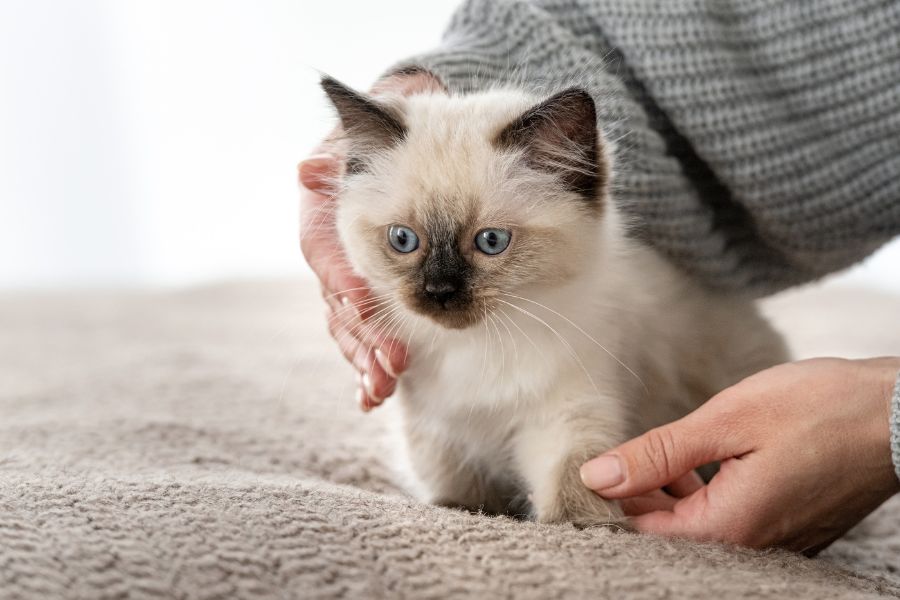
Tenafly Veterinary Center | December 11, 2025
Understanding how kittens grow is essential for supporting their long-term health. Pet parents often ask, When do cats stop growing, and the answer varies based on several factors. Because growth occurs rapidly during the first year, it is important that the stages of development are understood clearly.
This blog explains each milestone, outlines what affects growth, and offers a detailed chart to help track your kitten’s progress.
Why Tracking Cat Growth Matters
Healthy development is influenced by nutrition, environment, genetics, and veterinary care. When owners follow a growth chart, potential health concerns can be detected earlier. Moreover, when cats stop growing is better understood when each life stage is outlined in a structured way. Therefore, a growth chart becomes a useful guide throughout kittenhood.
Cat Growth Chart by Age
The following timeline describes how most kittens grow. Even though individual development may vary, the general pattern remains consistent across breeds.
0–2 Weeks: Neonatal Stage
During the neonatal phase, kittens weigh just a few ounces. Their eyes remain closed, and dependency on the mother is complete. Nutrition is provided solely through nursing, and growth occurs rapidly during this period. Although owners may not yet ask when cats stop growing, this early growth sets the foundation for later development.
2–4 Weeks: Transitional Stage
At this time, eyes begin to open, and mobility increases. Kittens start crawling, and their body weight almost doubles. Their senses improve, and early social behaviors emerge. Even though the growth rate remains fast, changes are more visible now. Because bones and muscles are still fragile, careful handling is recommended.
4–8 Weeks: Socialization Stage
Kittens begin interacting more frequently with littermates and humans. Solid food is slowly introduced, although nursing may continue. Coordination improves, and the body becomes stronger. This is the stage when many pet parents actively monitor growth and wonder ‘When do cats stop growing‘ because the kitten’s size changes quickly.
2–4 Months: Rapid Growth Phase
A significant increase in height, weight, and activity level occurs. Most kittens develop sharper motor skills and begin exploring their environment. Their appetite increases, and high-quality nutrition becomes essential. When do cats stop growing often becomes a recurring question, especially as differences between breeds begin to show.
4–6 Months: Adolescence
Hormonal changes begin during this stage, and behavioral shifts are common. Coordination becomes more refined, and muscle mass builds steadily. Although growth continues, the pace slows compared to earlier months. Spaying or neutering is usually recommended around this time, and guidance from a Tenafly veterinarian can help determine the best timing.
6–12 Months: Approaching Full Size
Cats start to resemble young adults, and bone structure becomes more defined. Weight gain slows, but overall growth continues. Depending on breed and genetics, many cats reach their near-adult size by the end of this period. Pet owners often ask when cats stop growing during this stage because size changes begin to stabilize.
12–18 Months: Maturity
Most cats reach full physical maturity between one and one and a half years of age. Height and length typically stop increasing, although muscle development may continue. By this stage, the answer to when do cats stop growing is usually clear—most cats are considered fully grown.
18–24 Months: Large Breed Completion Phase
Certain breeds, such as Maine Coons or Norwegian Forest Cats, may continue growing until they reach two years of age. Their skeletal structure, body mass, and muscle tone develop more slowly. Therefore, the question of when cats stop growing depends heavily on the breed.
Factors That Influence Growth
Even though growth follows predictable stages, several elements influence the final size and the speed of development.
1. Genetics
Parent size and breed traits play the largest role. Smaller breeds mature faster, whereas larger breeds require more time to reach their adult structure.
2. Nutrition
A balanced diet supports healthy bone, muscle, and organ development. Overfeeding may lead to excessive weight, while underfeeding may slow growth.
3. Environment
Stress-free surroundings promote healthy development. Adequate playtime, safe spaces, and positive socialization contribute to physical and mental growth.
4. Health and Veterinary Care
Routine checkups ensure that growth remains on track. Early detection of issues such as parasites, developmental disorders, or nutritional deficiencies helps maintain consistent progress.
When Do Cats Stop Growing?
Although individual differences exist, most cats stop growing between 12 and 18 months. Some large breeds may continue until 24 months. Because growth varies, the question of when cats stop growing is best answered by observing your cat’s breed traits, health status, and nutrition.
Tips for Supporting Healthy Growth
Provide Balanced Nutrition
High-quality kitten food delivers essential nutrients such as protein, fats, vitamins, and minerals. Because kittens grow fast, consistent feeding schedules support steady development.
Encourage Safe Play
Playtime improves muscle tone, coordination, and confidence. Toys, climbing structures, and interactive games help build strength.
Schedule Routine Veterinary Visits
Regular checkups allow health issues to be monitored early. Weight checks, vaccinations, and nutritional guidance contribute to long-term wellness.
Promote Socialization
Gentle handling and controlled exposure to different people and environments support emotional stability. Socialized cats tend to be more confident and well-adjusted.
Frequently Asked Questions
1. How long does it take for a kitten to reach full size?
A: Most kittens reach full size between 12 and 18 months, but large breeds may take up to 24 months.
2. Do male and female cats grow at the same rate?
A: Male cats are often slightly larger, but growth patterns remain similar.
3. Does diet affect how quickly cats grow?
A: Yes, improper nutrition can slow growth, while well-balanced kitten food supports healthy development.
4. Can growth be influenced by health issues?
A: Parasites, illnesses, and developmental disorders may affect growth. Routine veterinary visits help detect problems early.
5. When do cats stop growing completely?
A: For most cats, growth stops between one and one and a half years, with some larger breeds continuing until two years.
Ready to Book an Appointment?
Our veterinary team is here for your pet — from routine care to urgent needs.